|
|
InnoGood • Zine
April 2026
|
|
|
|
PolyU NMFF Season 3 | J.C.DISI Collaborates with the Research Institute of Better China Initiative to Advance the Visions of a “Better China” and a “Better and Beautiful Northern Metropolis”
|
|
|
|
With the completion of the public housing estates in Kwu Tung North and Fanling North starting this year, the Northern Metropolis is set to welcome tens of thousands of new residents. Building a community with a sense of belonging depends not only on physical spaces, but also on the emotional connections.
On 14 April, the PolyU Jockey Club Design Institute for Social Innovation (J.C.DISI) hosted the “PolyU Northern Metropolis Future Forum Season 3”, bringing together over 500 stakeholders from various sectors. Themed “Co-creating a Better and Beautiful Northern Metropolis”, the forum invited cross-disciplinary experts to share on “The Constructible Foundation and The Perceptual Network of a Better and Beautiful Community”. Drawing on case studies from Chinese Mainland and Hong Kong, the forum explored how to transform visionary community blueprints into everyday life.
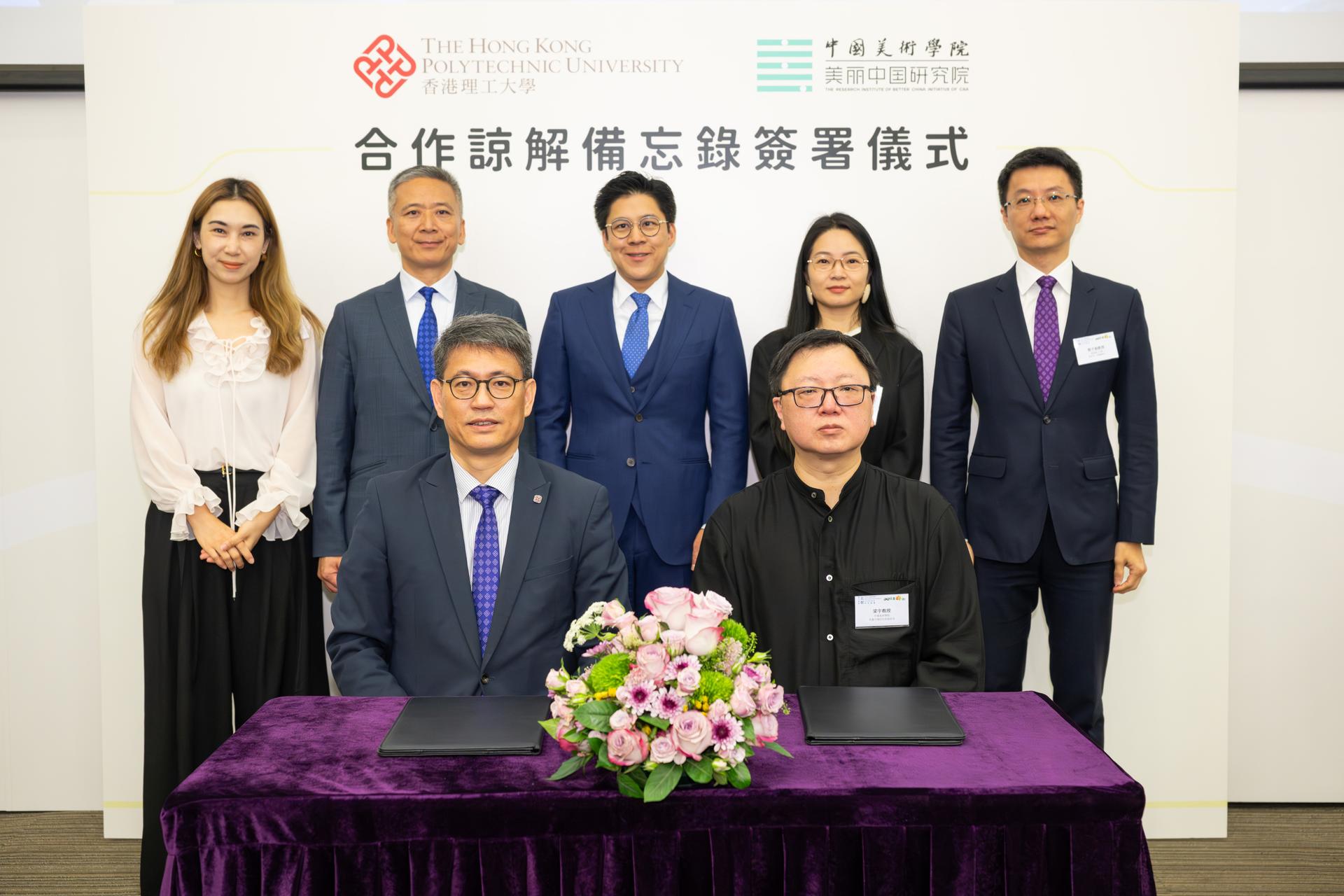
A major highlight was the formal signing of a Memorandum of Understanding (MoU) between PolyU and the Research Institute of Better China Initiative of CAA (the Research Institute). Guided by the shared vision of a “Better China” and a “Better and Beautiful Northern Metropolis”, both parties will embark on forward-looking collaborative research and promote social innovation projects. Furthermore, our Interim Director, Ms Sam Lam, has been appointed as a Think Tank Expert of the Research Institute, further deepening the exchange between the two parties.
Notably, J.C.DISI contributed to the Research Institute’s “Perception Map” project, sharing a range of research findings and practical insights into social innovation, design thinking, and community placemaking through the platform.
|
|
|
|
|
|
Beyond the Urban-Rural Divide | “PolyU NMFF” Study Tour to Explore “Urban-Rural × Cultural Tourism”
|
To further explore the boundless possibilities of urban-rural integration, J.C.DISI led a study tour to Guangzhou and Shunde from 18 to 19 April, building on the discussions from the forum. The mission was to conduct an in-depth investigation into how the empowerment of “Ecology × Experience” drives industrial and spatial revitalisation.
The delegation comprised over 20 cross-disciplinary experts from the government, academia, industry, and local charitable or non-profit organisations. They visited several innovative examples of “Urban-Rural × Cultural Tourism” to gain firsthand insight into how Chinese Mainland preserves rural character amidst rapid urbanisation, fosters integration between new and old residents, and enhances community quality through public aesthetics.
Following the study tour, we will host a closed-door workshop to discuss how these experiences can be applied to the Northern Metropolis and to plan new collaborative projects.
|
|
|
|
H.O.T Project Launch | Digital Inclusion Milestone Marking ASCEND’s Full Rollout
|
Rooted in social innovation and empowered by digital technology, ASCEND Tech for Good Scheme nurtures youth‑led teams to respond to real societal needs, advance digital inclusion, and inject innovative momentum into the development of smart cities.
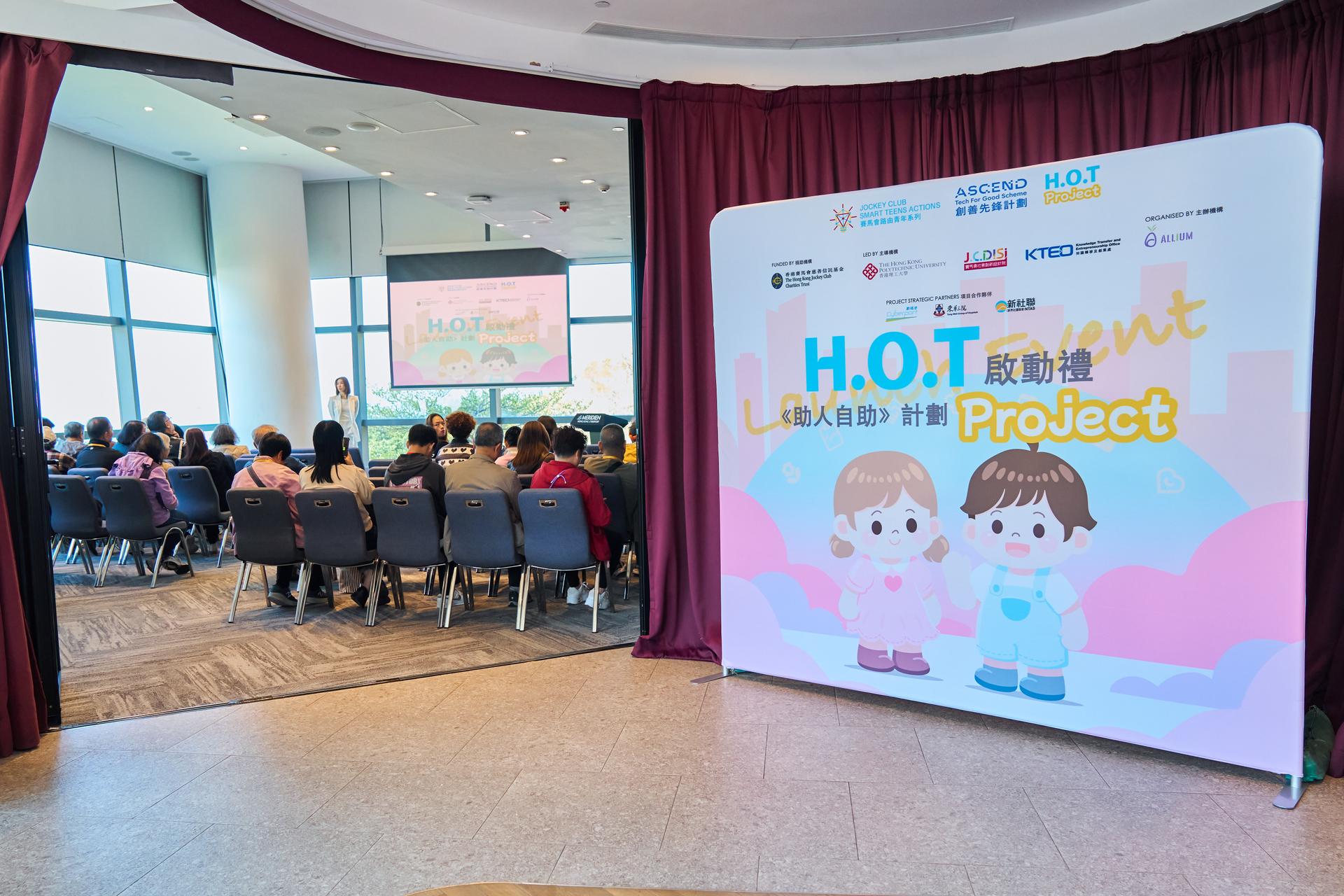
As one of the six incubation projects under ASCEND, the Helping Others to Help Themselves (H.O.T Project) marked it public launch in March, following months of dedicated preparation and technical development. This milestone represents the ASCEND Scheme’s full rollout and engagement with the wider community.
Developed by Allium Technology, the H.O.T Project supports caregivers of the elderly and people living with dementia through the Digital Care Plan and a dedicated caregiver support network. The project also trains young people as Digital Care Planners, who help caregivers make effective use of technology to ease daily caregiving burdens.
|
|
|
|
|
|
|
Data Driven Planning | From Residents to Co-Creators: Transforming Our Neighbourhoods
|
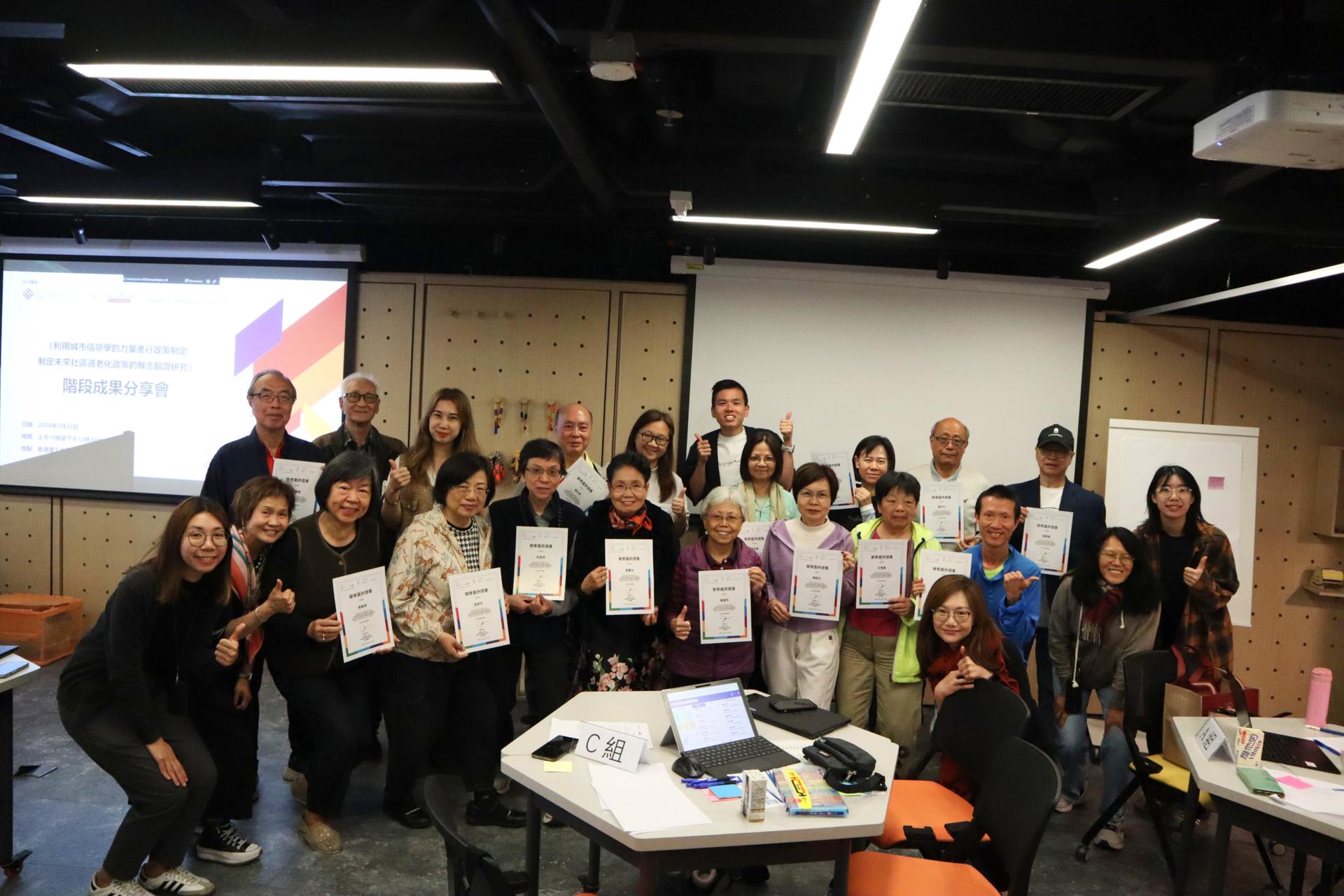
The J.C.DISI-led research project, “Leveraging The Power of Urban Informatics for Policy Making”, has celebrated an interim milestone, moving from concept to action! Funded by the Otto Poon Charitable Foundation Smart Cities Research Institute, the research is being conducted in partnership with the PolyU School of Nursing and ELCHK.
Through our train-the-trainer model, 15 passionate “young-olds” become trainers for JCDISI’s All-age Inclusive Community Assessment Indicators. These citizen scientists combine subjective lived experiences with objective place audits to pinpoint user pain points, evolving into active community co-creators.
Looking ahead, we aim to scale this approach across the sector. Want to use AI for data-driven planning, impact assessments, or ESG goals, but don't know where to start? Reach out at disi.enquiry@polyu.edu.hk.
|
|
|
|
KeySteps@JC Local Case Study|Building a Child-Flourishing Community with Sham Shui Po Service Providers
|
The Hong Kong Jockey Club Charities Trust has commissioned J.C.DISI to conduct the “KeySteps@JC Local Case Study”, focusing on Sham Shui Po as its inaugural phase to examine how local social capital and support networks bolster child development.
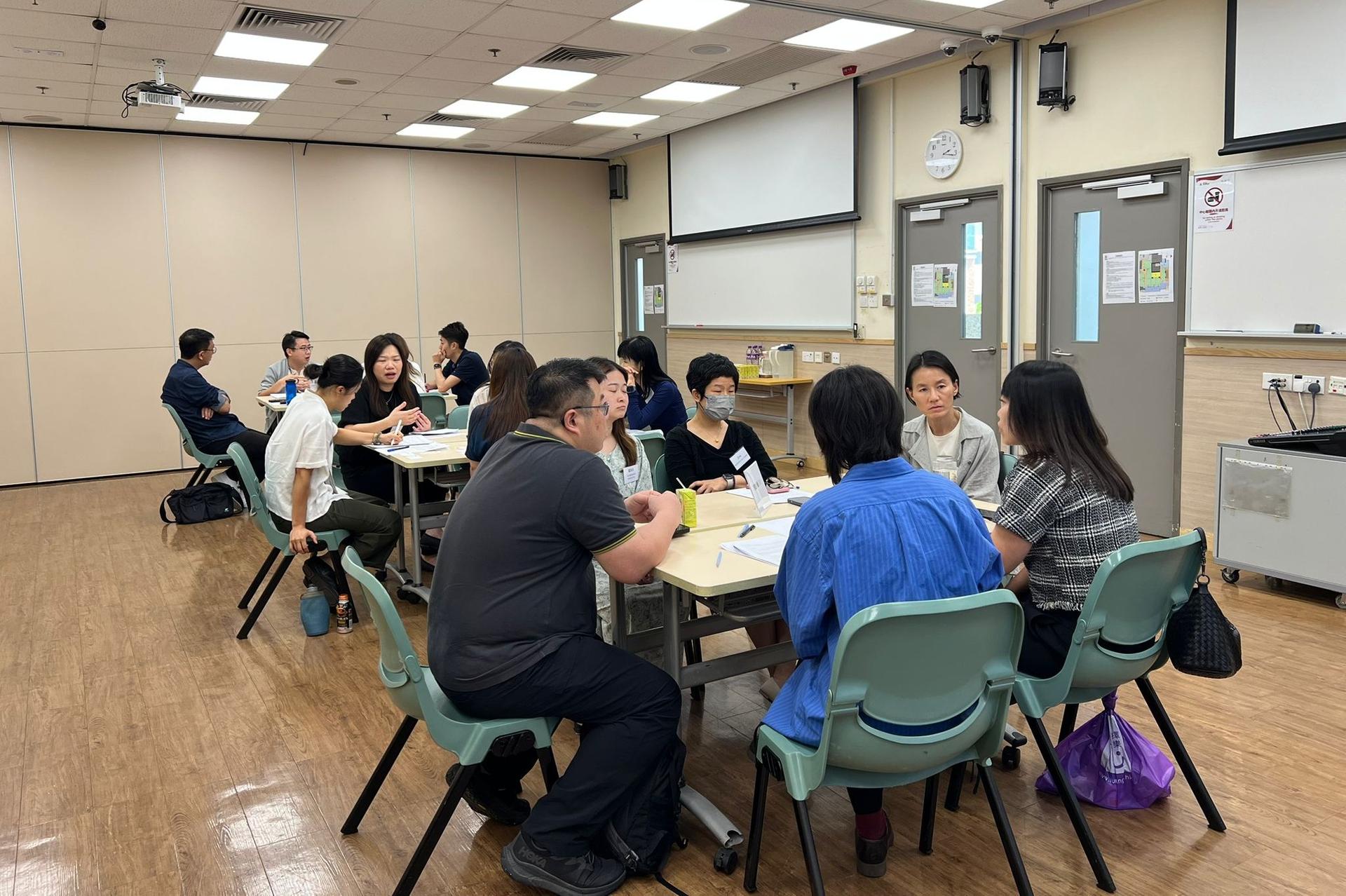
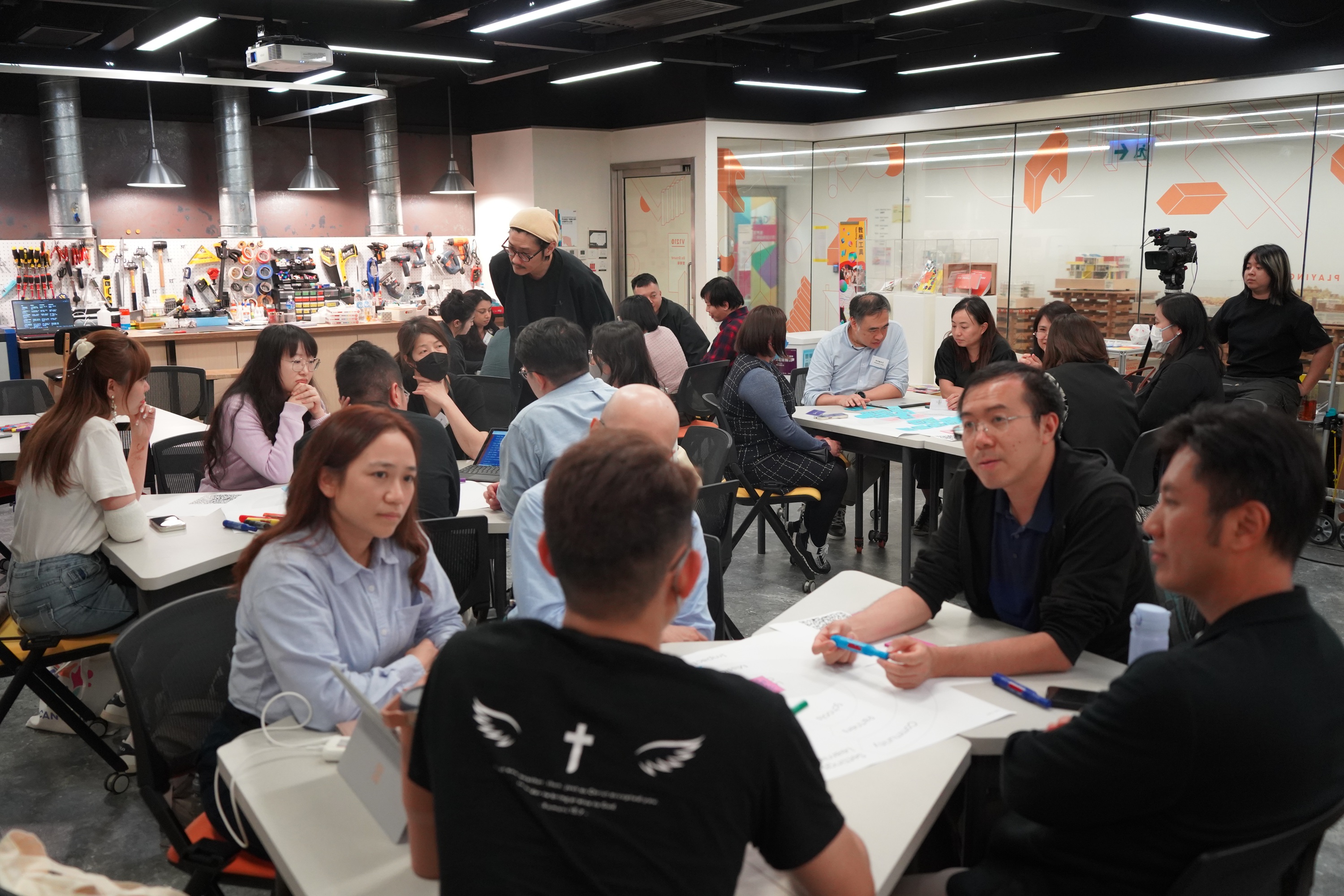
In March, the research team conducted a focus group with 12 social service representatives ranging from executive leadership to frontline staff. This diverse group provided profound insights into local family environments and parenting challenges, while also analysing key interactions within the community to assess the resilience of existing support networks.
By synthesising these multi-dimensional observations, the discussions successfully forged a shared vision for a “child-flourishing community”. This exchange has not only laid a solid foundation for subsequent research but has also facilitated a deeper dialogue among service providers, paving the way for a lasting and collaborative social support network.
|
|
|
|
|
|
|
Hongkong Land Foundation “AI For Good” Hackathon|Empowering NGOs to build AI-powered, investment-ready solutions
|
Commissioned by the Hongkong Land Foundation, the pioneering “AI for Good” Hackathon was successfully held on 21 and 22 March. As the key programme partner, J.C.DISI provided professional support across conceptual facilitation, capacity building, project management, and student engagement. This collaboration empowered NGO teams to leverage AI and co-creation methodologies to transform complex social issues into concise, actionable solutions.
Under J.C.DISI’s guidance, participating teams utilised AI tools to develop “Pattern Books” that possess both investment potential and practical feasibility. These frameworks ensure that social innovation proposals not only align with the Foundation’s strategic pillars of “People, Place, and Culture”, but are also “investment-ready”.
Through this partnership, J.C.DISI has successfully bridged the gap between technological application and social impact. Guided by expert mentors, the four shortlisted teams have further refined their proposals for implementation.
|
|
|
|
Inclusive Social Innovation Day | Advancing Inclusive Education through Cross‑Sector Collaboration
|
The Inclusive Social Innovation Day, held on 20 March, gathered primary and secondary school principals and teachers, social enterprises, and non‑profit organisations to explore how cross‑sector collaboration can be effectively embedded into school practice. Co‑organised by J.C.DISI, Fullness Social Enterprises Society, and the Social Enterprise Summit, the event featured a series of themed training workshops that facilitated dialogue among educators, social enterprises, and NGOs.
Among them, the J.C.DISI Design Education Team led the workshop “Community Partners’ Dialogue – ‘Inclusive’”, providing a platform for meaningful exchange on building innovative and inclusive partnerships between schools and community partners. ASCEND youth‑led teams also presented their innovative projects through an interactive showcase, engaging participants in discussions on inclusive education and social innovation, and exploring opportunities for cross‑sector collaboration.
Through exchange and practice sharing, the event demonstrated the potential for schools and community partners to work together in connecting education with social innovation.
|
|
|
|
|
If you do not wish to receive further message from J.C.DISI, please click here to unsubscribe.
To manage your subscription to direct marketing message from sending department and campaign type, please click here.
|
|
|
|
|